AI internships
We offer AI internships in the Radboudumc for motivated Master students that are interested in solving healthcare problems. Projects typically have a duration of 6 months. An overview of open and closed internship projects can be found below.
How to apply
-
Send your CV with a list of grades and a short motivation letter to rtcai@radboudumc.nl.
-
Indicate for which project(s) you apply.
-
If you are not a student at Radboud University, explain your experience with deep learning or other techniques mentioned in the project proposal. Please also indicate any extra requirements your university may have, for example whether there must be an internal supervisor or there are requirements from your university regarding the thesis that needs to be written.
Call for internship proposals - Closed
Artificial Intelligence (AI) holds tremendous potential to transform healthcare — from improving diagnostics and treatment planning to optimizing workflows and enabling more personalized patient care. To help turn this potential into practical impact, the Radboud Technology Center (RTC) AI invites project proposals for AI internships focused on real-world healthcare applications at Radboudumc.
These internships are intended for AI Master’s students who will work on clinically relevant problems under the joint supervision of RTC AI experts and clinical researchers. Clinicians and researchers without prior AI expertise are especially encouraged to apply, as the RTC AI will provide the technical supervision and assist with finding suitable AI students.
Project proposal requirements
To be eligible, proposed projects must meet the following criteria:
- Project proposals can only be submitted by Radboudumc employees.
- Each project must include a clinical supervisor who will provide domain-specific guidance.
- All required data (including labels and annotations) must already be collected and accessible at the time of proposal submission.
- The proposal must describe a specific, well-defined clinical or healthcare problem to be addressed using AI methods.
- The internships will have to take place in 2026.
Examples of suitable projects
- Automating or improving diagnostic workflows
- Predictive modeling for patient outcomes
- Image or signal analysis for clinical data
- Natural language processing for clinical reports
- Decision support tools for personalized care
Submission details
- Deadline: 19-12-2025
- Submission form: Please fill out this form
- Selection criteria: Clinical relevance, clarity of defined problem, feasibility within 6 months and data readiness
Questions?
For questions about the internships, project suitability or proposal preparation, please contact:
RTC AI – rtcai@radboudumc.nl
Project Vacancies
There are currently no open project vacancies.
Closed Vacancies

Towards an improved planning model for patient-centered IVF treatment using AI
AI-based prediction of ovum pick-up timing to improve patient-centered planning and IVF laboratory workflow
Read more →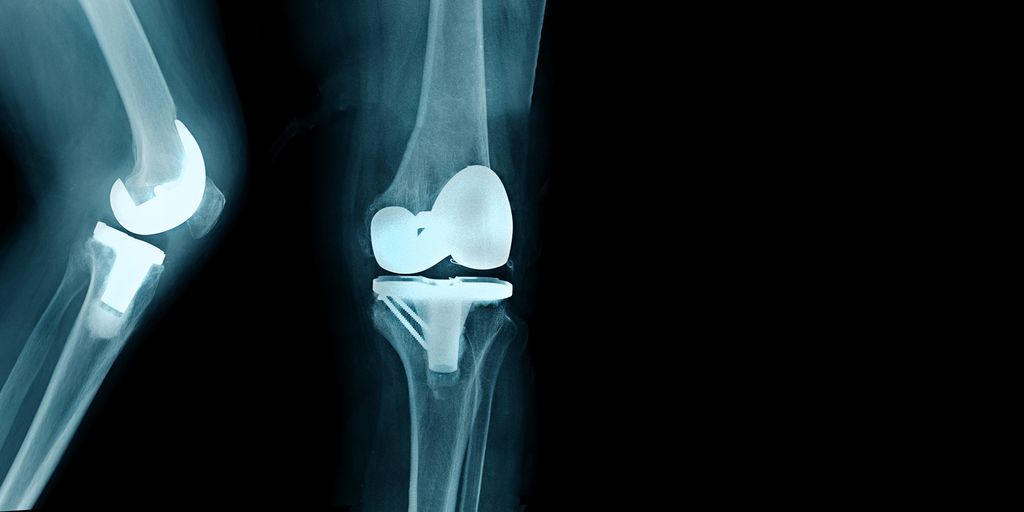
Supervised and unsupervised classification of bone defects in revision total knee arthroplasty
Using AI to classify bone defects in revision total knee arthroplasty
Read more →
Predicting repeat consultation and treatment plan in extended scope primary care for patients visiting
Predicting repeat consultations and referral decisions in extended scope primary care using AI
Read more →
State-of-the-art drug-drug interaction databases empowered by AI
Development of an AI-driven solution for standardized and automated drug-drug interaction management
Read more →
AI-driven self-scheduling application for ICU/MC nurses
Development of an artificial intelligence-based scheduling system for IC/MC nurse rostering
Read more →
LLM-as-a-Judge as a validation framework for clinical Generative AI tools
Designing an LLM-as-a-Judge framework to validate clinical generative AI tools integrated in the EHR at Radboudumc
Read more →
Early prediction of multi-drug resistant Klebsiella species using machine learning
Machine learning on antibiotic susceptibility testing data to predict MDR Klebsiella (ESBL/CPE) one day earlier than current laboratory workflows
Read more →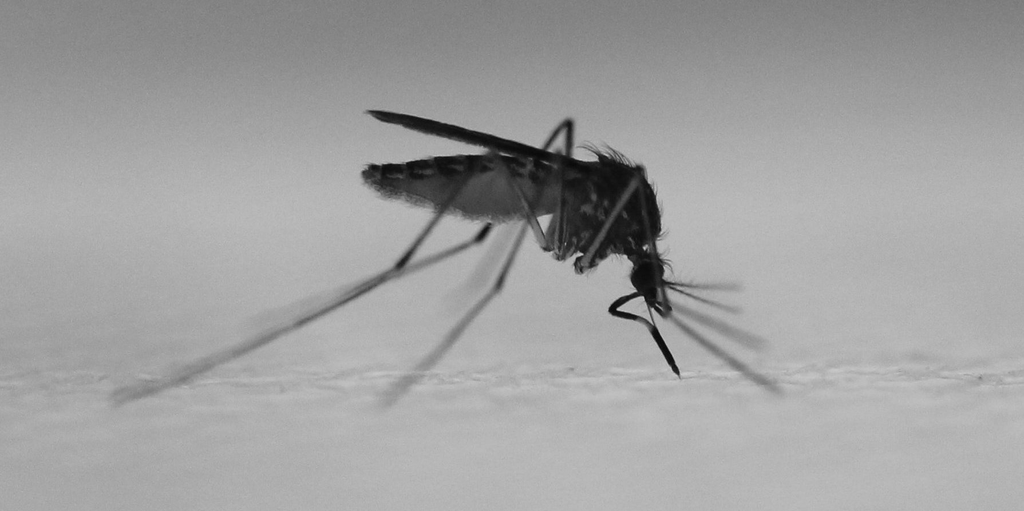
Multi-scale phenotyping of mosquito host-seeking behavior using machine learning and computer vision
Machine learning and computer vision for multi-scale analysis of host-seeking behavior in malaria-transmitting mosquitoes using long-term video data from the BuzzWatch platform
Read more →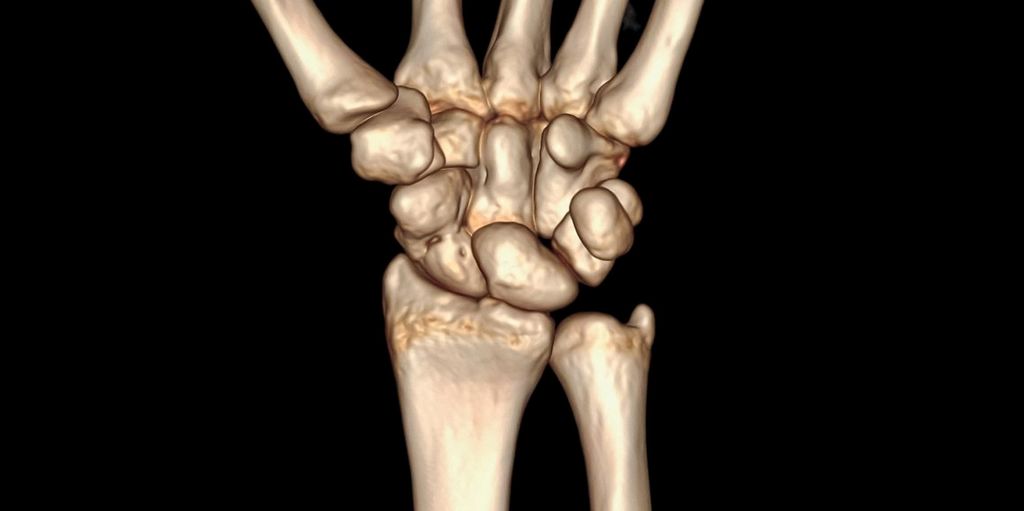
AI-enhanced segmentation and registration of wrist bones in fractured and implant-containing wrists
Deep learning for robust segmentation and registration of wrist bones in pathological 3D and 4D CT scans with fractures and metal implants
Read more →